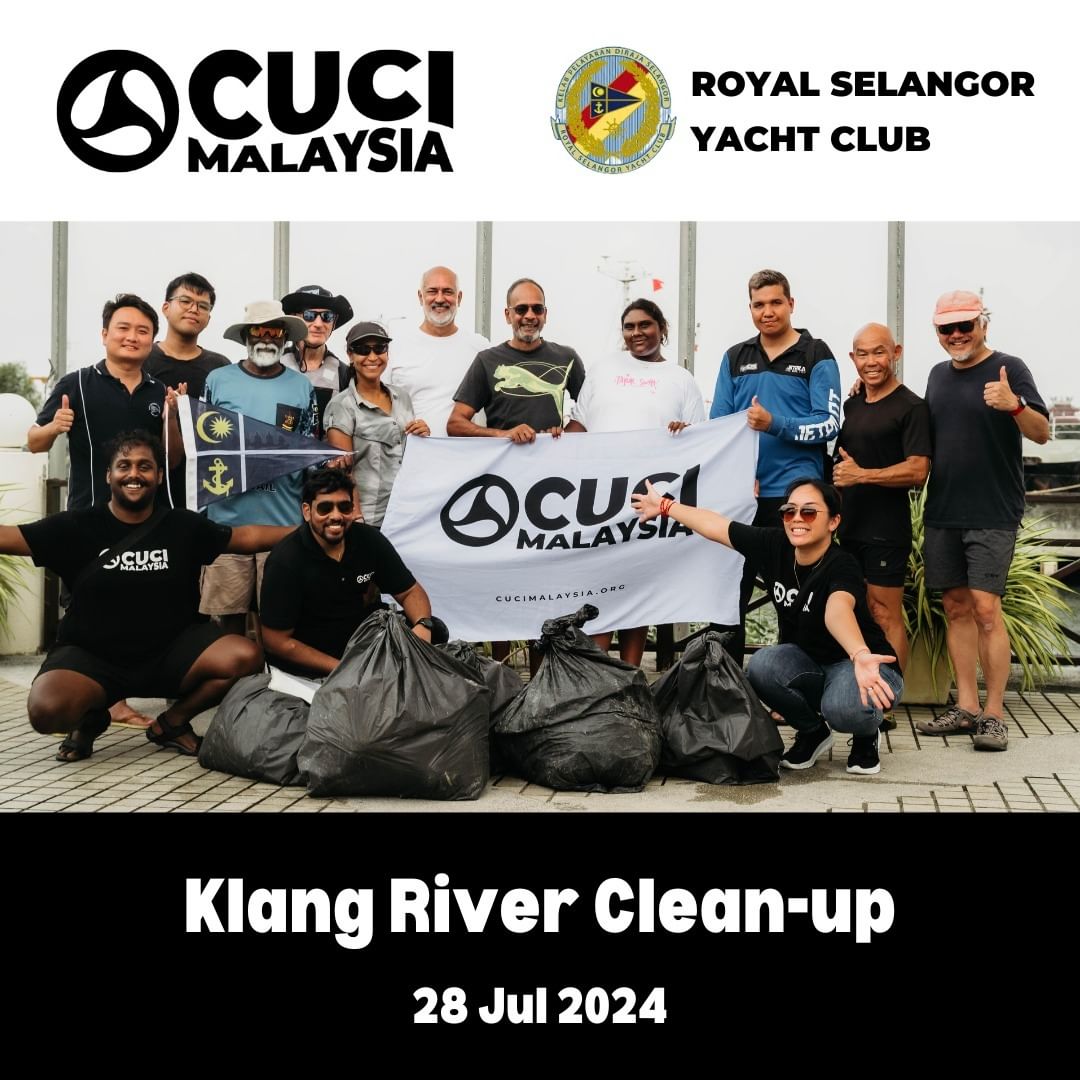

Among the demographic that faces the impact of waste management issues and climate change, the struggle of fishermen often goes unnoticed. Facing nature daily, these brave and hardworking people are severely affected by the effects of our habits.
It has been reported that nets often return with more trash than actual aquatic creatures. This other shore angler reported that 5 lines of 100m net does not catch as much seafood as 2 lines used to. This is sad. Slowly, but surely the sea is turning into more plastic than marine animals.
It can be argued that the fishery along the Malacca Straits isn’t as big as the ones along the East Coast. However, as little as the industry is, the small man’s voice must be heard and taken into valid agendas. In this case, the preservation of the coastlines.
Against the wrath of nature, an average fisherman is only equipped with a boat that comes along with its own set of costs. Creating more variabilities on either side of the equation, be it higher cost of maintenance or less than ideal climate, could cost the fisherman everything.
Most small-time fishermen make do with their daily income. Selling their catch at the local market after spending nearly an entire day at the sea doesn’t return much. Grounding their boats due to damage could cause a tailspin in their lives. Letting more trash into the sea doesn’t help.
Taking notice and taking action on the purity of beaches, coastlines, and estuaries should come at the highest of priority because of two very simple reasons.
- Easy answer: Only takes people to stop littering and dumping by the coastlines and rivers.
- Rivers are more manageable: The moment a piece of debris is released into the ocean, the cost of retrieving it would easily turn x10.
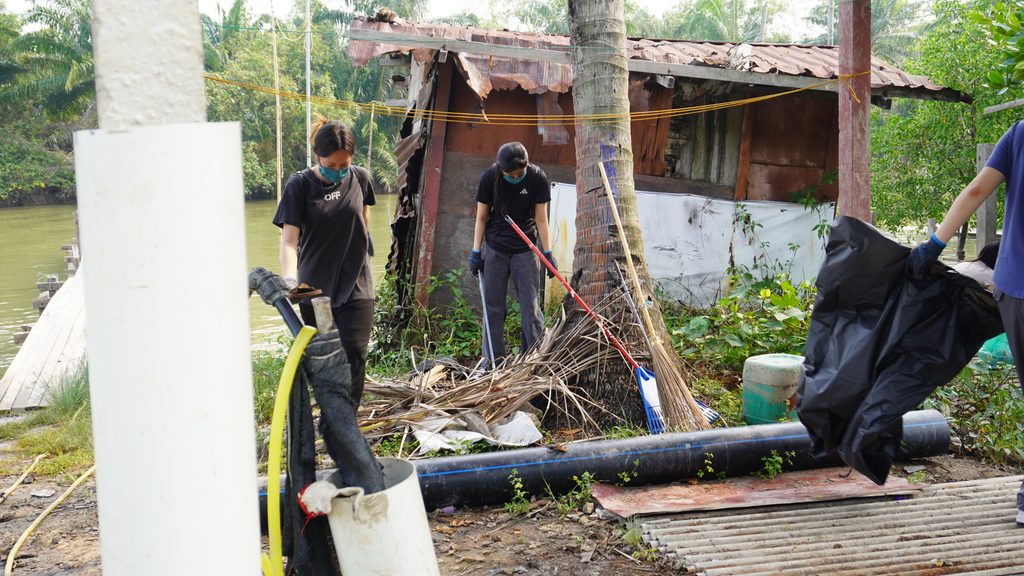

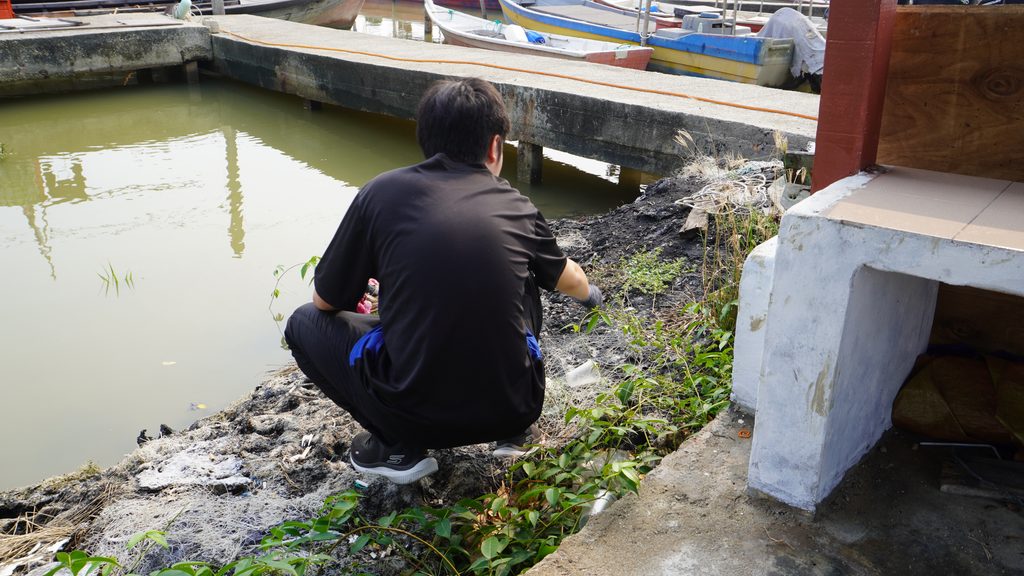
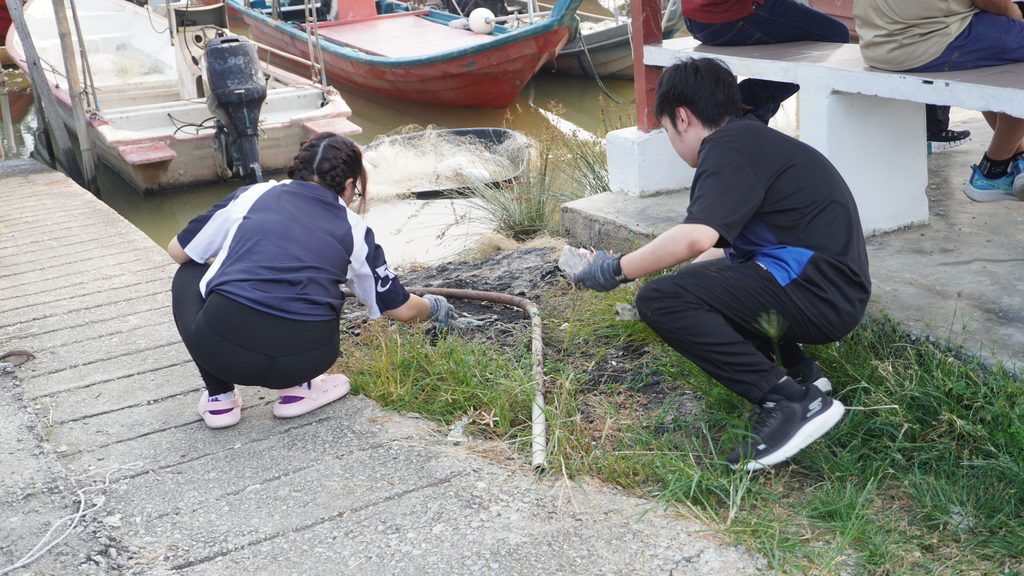
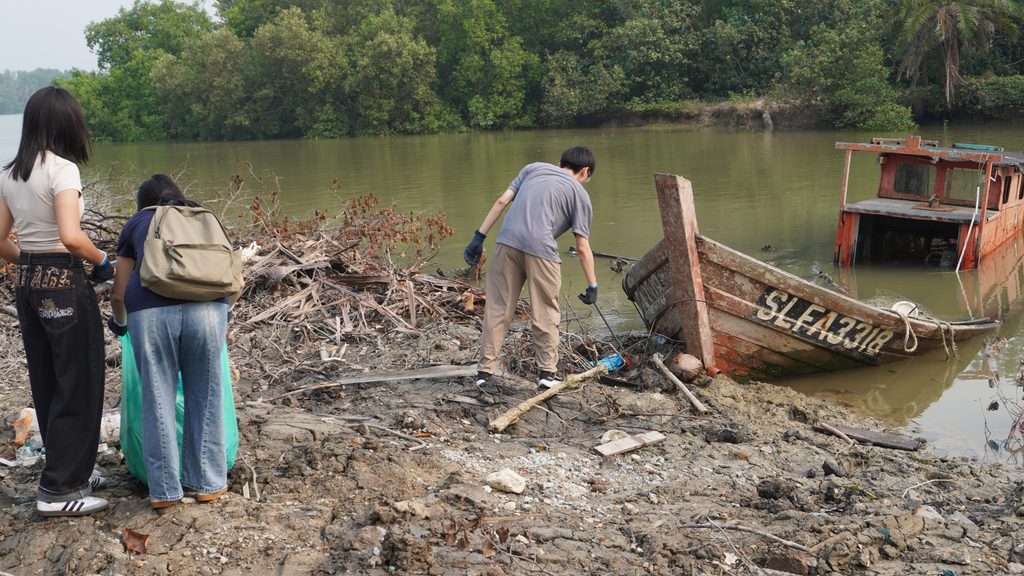
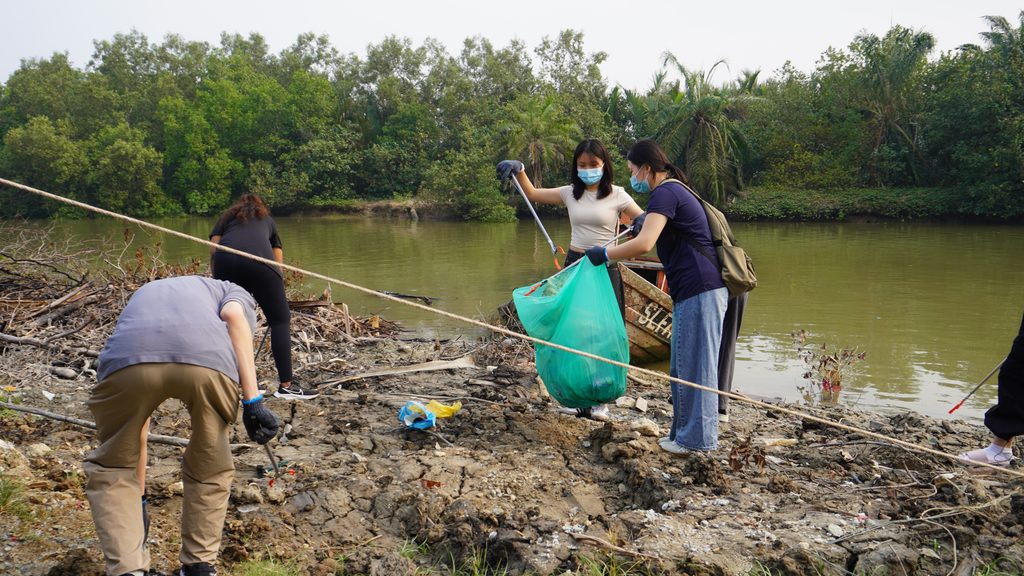
The benefits too come in two fold. Bigger and abundance of fishes would benefit the fishermen while cleaner and healthier fishes would benefit us all as mankind. The continuous strain we put on the environment is causing a wreck to both supplier and consumer. Even a selfish person should be concerned. On an annualized basis, a daily fish diet translates to roughly 365 to 45,000 plastic particles a year. That’s almost half a credit card.
Due to such risks and lack of return, the fishery is shrinking along our shores. The current generation is sending off their kids to a different industry. As of the recent census, Imports are roughly MYR 419 million vs. exports of MYR 249 million which translates into a negative trade balance of ~MYR 170 million.
As such, Nelayan Nadi Negara carries an important sentiment of helping the marginalized fishermen by protecting the environment to boost catch. This begins with a closer relationship with jetties; the community, Malaysian Fisheries Development Authority; the authority, and Fishermen Association; the executives.
To further understand the situation, I would highly recommend everyone to visit your closest jetty once a month. While you’re at it, feel free to get the fresh seafood at a very compelling price right off the boat. Do good.
By:
Chandra Arjun